
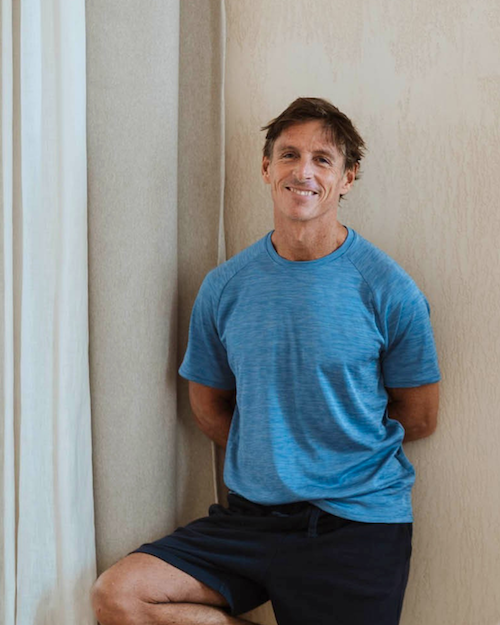
A course with Adam Keen
Starts Sat 29 May 2027
Studio
Three mornings with Adam: practice first, then sessions unpicking the method (vinyasa, bandha, hips, backbends) and where Ashtanga came from.
Less about following the series, more about understanding it, so you can make it work for your own body.
For teachers (and interested students).
Sat 29th May 2027 ~ 7am to 1pm
(6hrs)
Sun 30th May 2027 ~ 7am to 1pm
(6hrs)
Mon 31st May 2027 ~ 7am to 1pm
(6hrs)
- £270 -
You can pay by instalments if it's easier - £60 deposit + 7 payments of £30.
What are the cornerstones of the method of Ashtanga Yoga, and how to adapt these general principles into individualised principles so that they work for you personally? In this time together we shall go through the basis of Ashtanga; what does bandha mean? What is drishti, vinyasa, what about the breathing? On completion of this workshop you will have a good overview of Ashtanga Yoga and the confidence that you are practicing it safely and effectively for your, unique body.
SATURDAY
07.00 – 9.00: Led Primary with Instructions
This unique style of led class features both the counted vinyasa method as it was taught in Mysore as well as fundamental cues for each posture. Everyone will be made to feel welcome and safe in participating in this class, with options given for variations.
9.30 – 11.00: Jump Back & Jump Through; Are They Worth the Effort?
This movement is one example of a vinyasa (breath movement combination). It joins many primary series asana up together, because it builds strength and mobility of the fundamental back muscles. But, what happens if you can’t do them? And is it the case that some people have too short arms to ever do this movement? We will look here at building up the movement from the start, with everyone gaining the technique to get the most out of it – whatever level you’re currently at. Indeed, this movement is a ‘trick’, and in this workshop we shall share the secrets to this trick.
11.00 – 11.30: Break
11.30 – 1.00: Finding Bandha
We hear about bandha all the time, but what does it actually mean? The term comes from the extreme ‘locking’ of muscles in early hatha yoga for a practice (and aims) that are both very different to our modern practices. Try holding your bandhas and moving fluidly and dynamically through an Ashtanga sequence; it’s like applying the handbrake and the accelerator of your car at the same time. In this time together we will reappraise bandha looking together at a few simple postures to come up with a fresh (and more effective) understanding of what is still the foundational tool of the practice of asana.
SUNDAY
07.00 – 9.00: Led Primary with Instructions
This unique style of led class features both the counted vinyasa method as it was taught in Mysore as well as fundamental cues for each posture. Everyone will be made to feel welcome and safe in participating in this class, with options given for variations. If there is one class to you should try to attend its this one.
9.30 – 11.00: Open Your Hips Sequences
We all know that yoga needs open hips, but what does this, actually, entail outside jamming ourselves into lotus postures and hoping they’ll gradually becoming easier in doing so? This workshop takes us through the subtle business of hip rotations to help create more mobility at the hips in practicing known postures more skillfully, while, also leading everyone through a hip-opening sequence Adam used to recover from a recent hip surgery.
11.00 – 11.30: Break
11.30 – 1.00: What Exactly is Traditional Ashtanga Yoga?
People often think Ashtanga means the rigid adherence to the series’. But these series have both changed over the years as well as originally being prescribed as part of a ‘yoga curriculum’ which the individual was presumed to graduate from to a more individually based practice. In this session we will revisit then the idea of what it means to be an ‘authentic’ or ‘traditional teacher or practitioner of Ashtanga yoga, considering such questions as:
MONDAY
07.00 – 9.00: Ashtanga Led Into Self Practice
Adam will lead the class through the first part of primary and standing asana, after which you will move on to self-practice following the Ashtanga sequence at whatever level you are at. All physical levels are welcome, and you are free to follow from printed sheets. It’s a fun way into self-led practice.
9.30 – 11.00: Can Backbends Ever Be Fun?
Maybe not, but they can be comfortable and effective for purpose – and for all of us. Even so, depending on certain anatomy of our body, all of us will bend backwards differently. So, first we need to look at that. Then, we need to find a way not to keep bending at the same spot of our lumbar spine – already one of the weakest spots of our bodies. We will do this with reference to upward dog, the most practiced ‘backbend’ by far, and then, the first postures of the Intermediate series, which we shall also discuss how to include into everyone’s practice.
11.00 – 11.30: Break
11.30 – 1.00: Modern Yoga Development in the 20th Century.
Find out how key ‘early modern’ yoga teachers. Krishnamacharya, Yogendra, Yogananda, Kuvayalananda and Vivekananda interpreted the older practices of yoga to fit into the modern context. Then, what other influences, those outside the yoga tradition, they may have drawn from to create modern yoga. A term we shall explore in its differences and similarities to the pre 20th century iterations of yoga regarding breath, asana, and the guru-disciple relationship that defined yoga in the past, and, indeed, the aims of these practices.
About Adam.
Adam has been a yoga practitioner since 1999 and has taught Ashtanga yoga internationally for over 25 years, including 10 years with a Mysore programme in London until the pandemic closed his studio. His first trip to Mysore to practice with Sharath Jois was in 2007 and in 2012 he completed the Advanced A sequence under his guidance, an accomplishment of only a few teachers, while also receiving authorization to teach.
His style is open, non-dogmatic and eclectic, while remaining rooted in the Ashtanga teaching he received in Mysore, India by the founders of the method, Pattabhi Jois and Sharath Jois. Equally at home teaching all levels of practitioner, he gives all students the same attention and interest.
Coming from an academic background in philosophy and a professional one as a chef, he is knowledgeable and relatable in his approach, explaining things clearly in a down-to-earth way – both serious and fun, he loves connecting to all types of people.
Adam is the host of the Keen on Yoga Podcast where he interviews the world’s most renowned Ashtanga teachers and philosophical academics. He also runs the Keen on Yoga platform with his wife Theresa.
Instagram: @adam_keen_ashtanga & @keen_on_yoga
** PRACTICAL BITS **
Due to the nature of the Crescent Bakery building, it's ideal to wear layers of clothing for cooler / warmer fluctuations.
If you're looking for somewhere to stay near the studio, click here for info.
Please note workshops will be refunded only if we can find someone to take your place. Obviously, we will take account of exceptional circumstances. If you have chosen to pay in instalments, payments to completion will still be due.
Please contact studio@orangeyoga.co.uk and we'll be happy to help.